

How to Layer Silver Necklaces Without Tangling
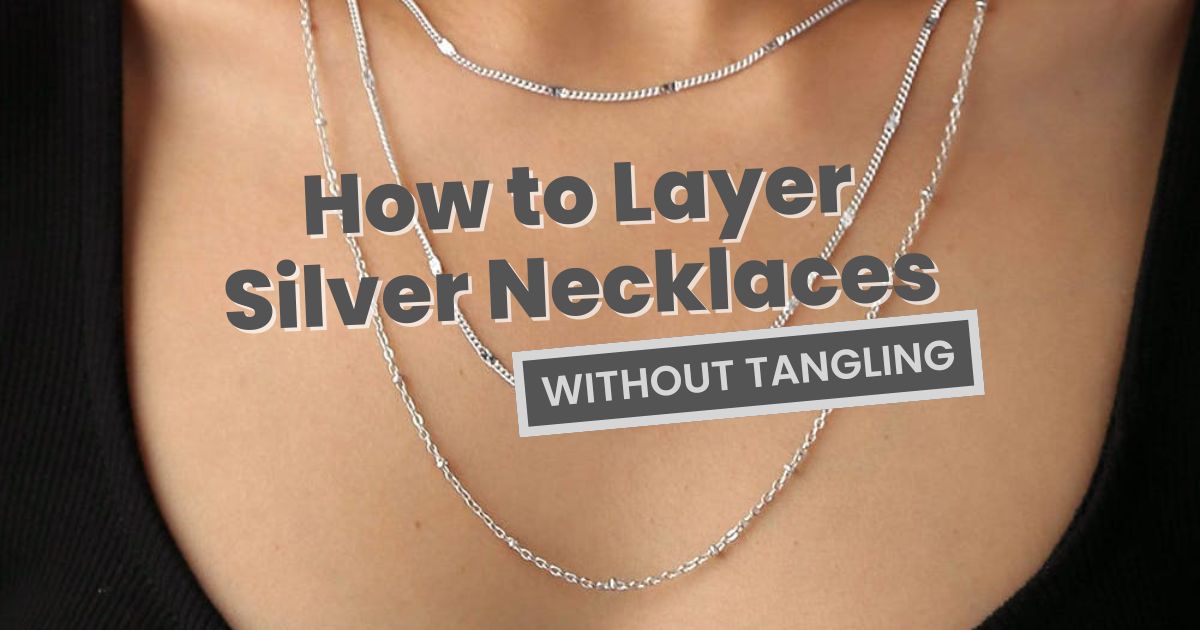
Layering silver necklaces looks effortless when it’s done right. When it’s done wrong, it turns into knots, twisting chains and constant adjusting.
This isn’t bad luck. It’s usually an issue with length, weight, or spacing.
Let's learn how to layer silver necklaces properly so they sit naturally, move well, and don’t tangle - especially for everyday wear.
Why Silver Necklaces Tangle in the First Place
Most tangled necklaces share the same problem: they’re too similar.
Chains of the same length, thickness, or weight move together. When they move together, they twist. Once they twist, knots follow.
The fix isn’t complicated. You just need contrast.
Start With the Right Lengths
Length is the foundation of layering.
Each necklace should sit at a clearly different point on the body. If two chains sit too close together, they will compete for space.
A reliable starting point:
- Short chain: around 16 inches
- Mid chain: around 18 inches
- Longer chain: 20 inches or more
You don’t need exact measurements, but you do need separation. If the chains overlap visually, they’ll overlap physically too.
Mix Chain Thickness (This Matters More Than People Think)
This is where most layering attempts fail.
Chains of identical thickness behave the same way. They rotate together, slide together, and tangle together.
When layering silver necklaces, vary the weight:
- One fine chain
- One medium-weight chain
- One slightly heavier chain
Heavier chains anchor the layer. Lighter chains move around them instead of against them.
Decide Early: Pendant or No Pendant
A pendant changes everything.
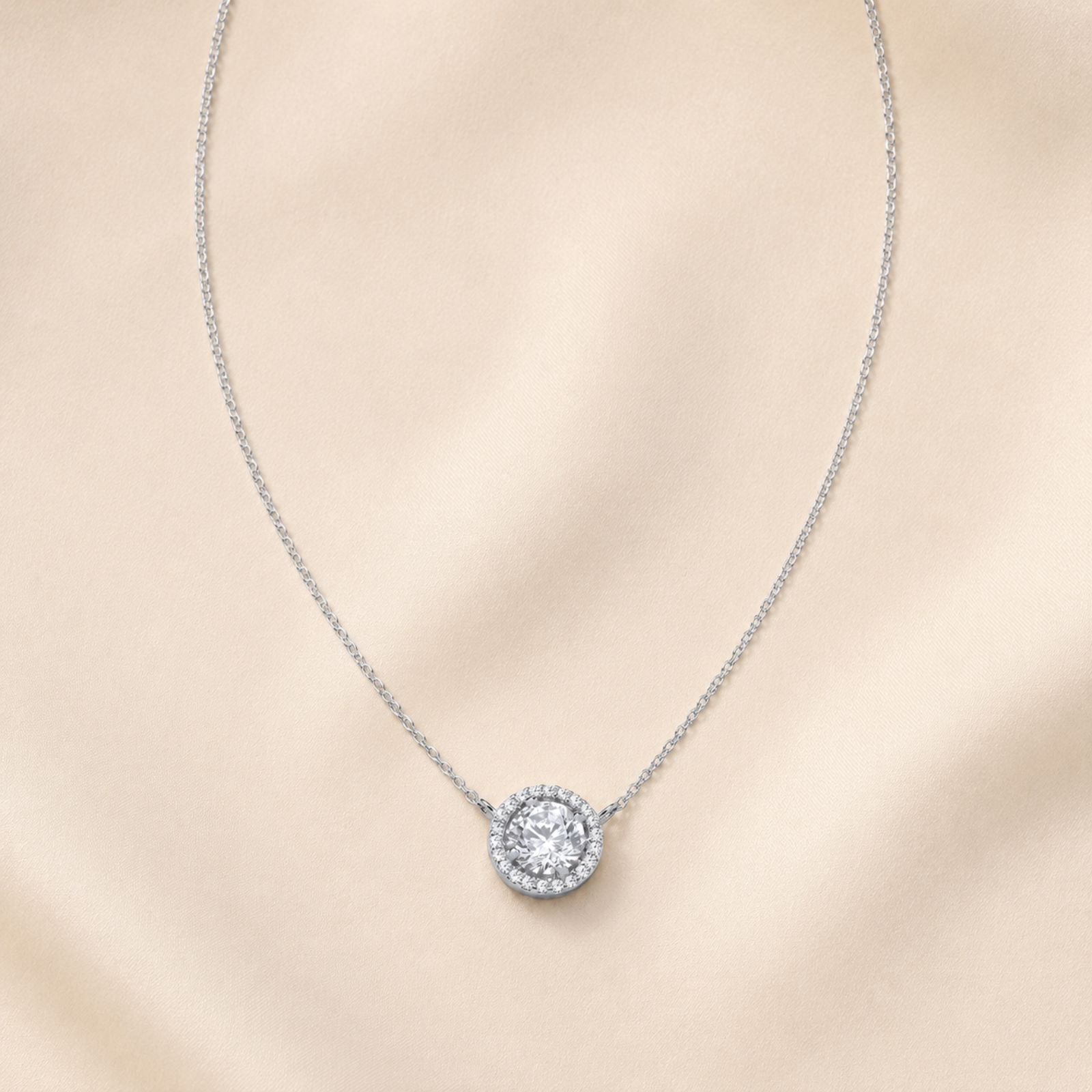
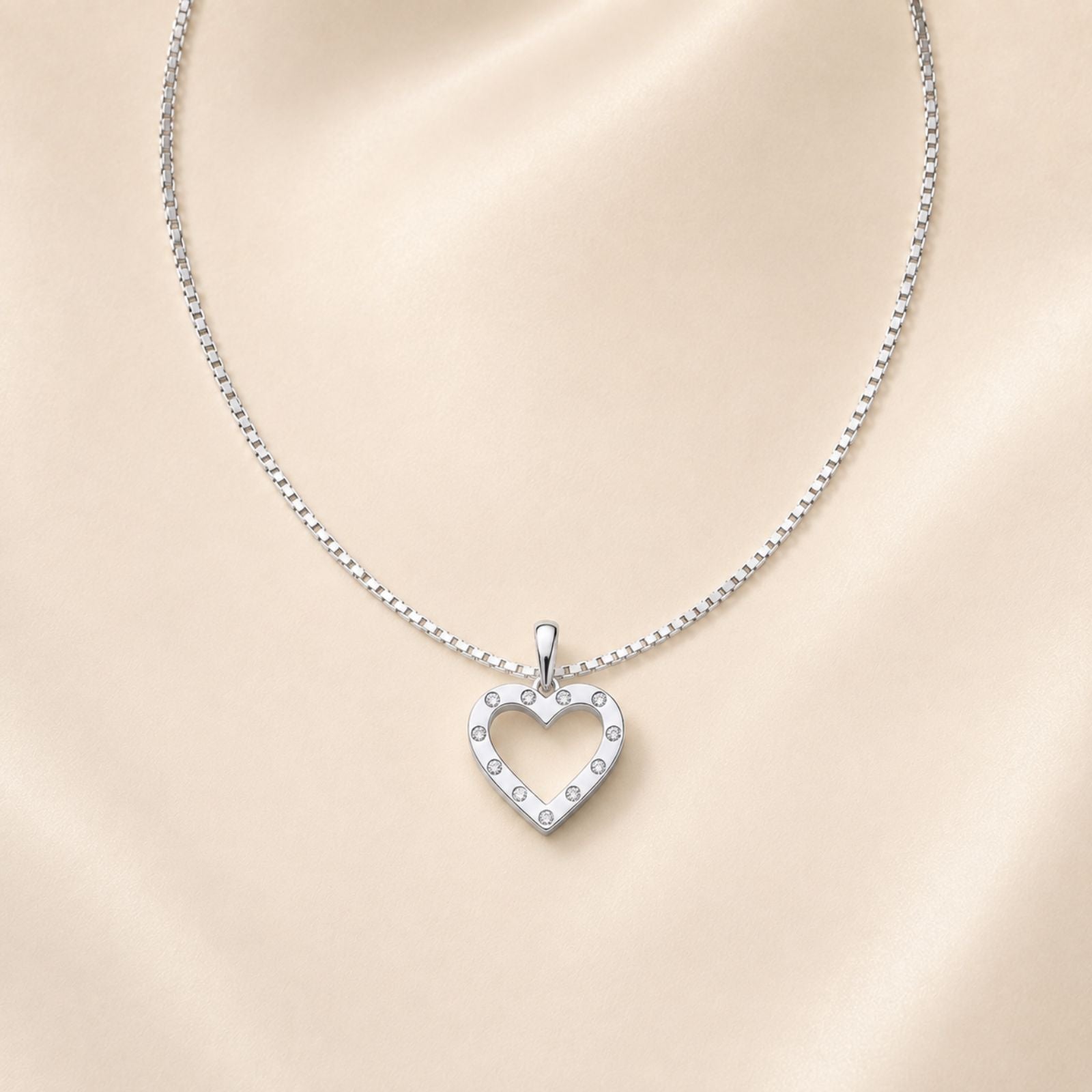
If you’re wearing a pendant, it should usually sit on the longest chain. The added weight helps stabilise the layer and stops the other chains from drifting into it.
If you’re layering plain chains with no pendants, spacing becomes even more important. Keep the lengths clearly stepped so each chain has its own space.
Trying to layer multiple pendants at similar lengths is a guaranteed way to create tangles.
Use Chain Styles That Don’t Fight Each Other
Some chain styles naturally twist more than others.
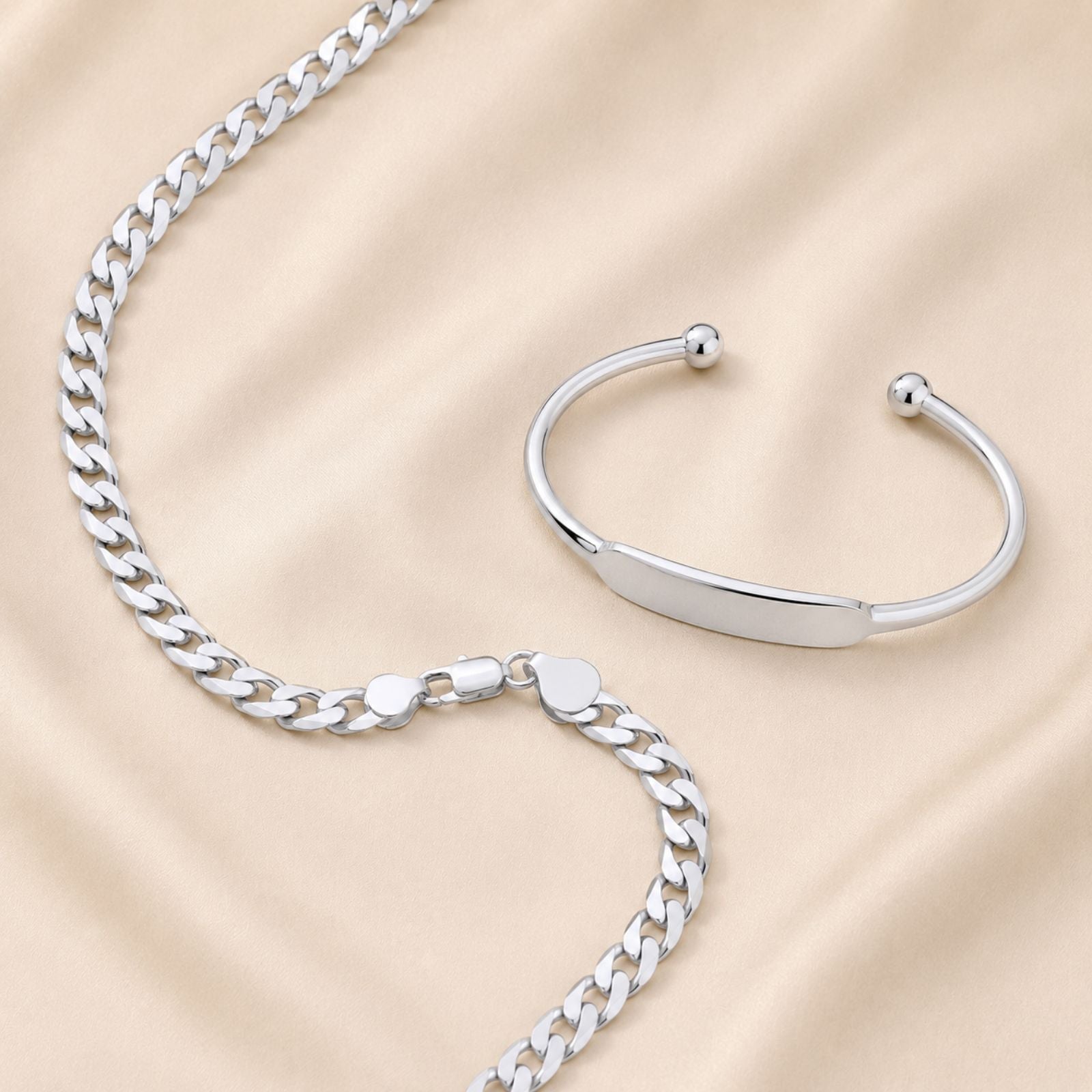
Snake chains and very fine box chains look sleek but can be unforgiving when layered too closely. Belcher, curb, paperclip, and rope-style chains tend to behave better in layered looks.
Mixing styles works in your favour. Identical chains look neat on the neck but tend to tangle faster.
Layer Fewer Chains Than You Think You Need
More isn’t always better.
Two or three necklaces usually layer more cleanly than four or five. Each additional chain increases friction and movement.
If you want a fuller look, use one statement chain rather than adding multiple fine ones.
Adjust Once, Then Leave Them Alone
Constantly touching layered necklaces makes tangling worse.
Once your chains are sitting correctly, leave them. The more you fiddle, the more you twist them together.
If a layer keeps shifting, it’s a sign the lengths or weights are too similar - not that you need to adjust it more often.
Layering Silver Necklaces for Everyday Wear
Everyday layering needs to be practical.
If you’re wearing layered necklaces daily, choose:
- Secure clasps
- Medium-weight chains
- Simple pendants
Ultra-fine chains and delicate clasps are better suited to occasional wear. For daily use, durability matters just as much as appearance.
People often ask whether layered necklaces always tangle eventually. They don’t - not if the lengths and weights are right.
Another common question is whether layering works with plain chains only. It does, but pendants add stability and reduce movement, making tangles less likely.
xx
Layering silver necklaces isn’t about styling tricks. It’s about physics.
Different lengths. Different weights. Clear spacing.
Get those right and your necklaces stop fighting each other - and start looking like they were meant to be worn together.