
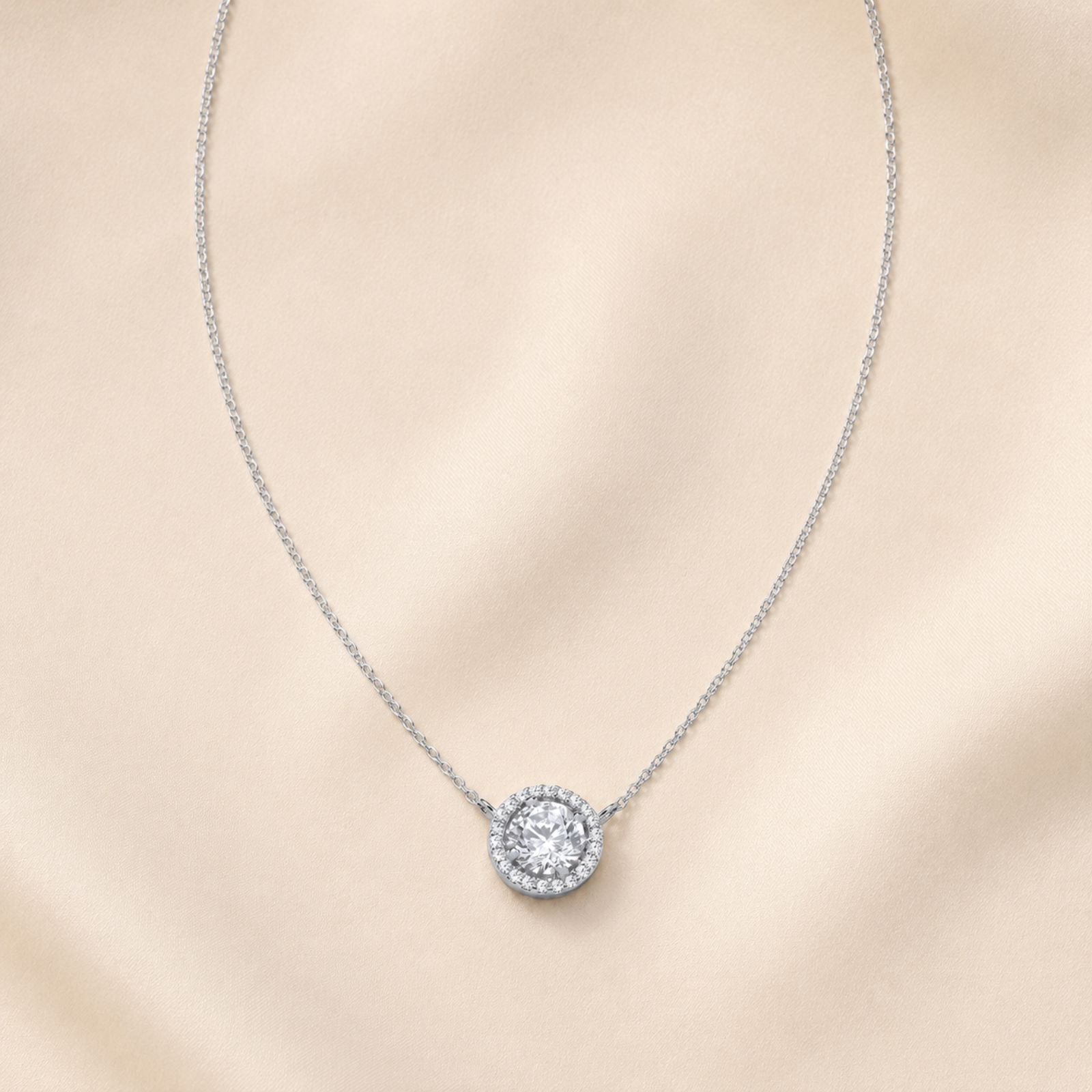
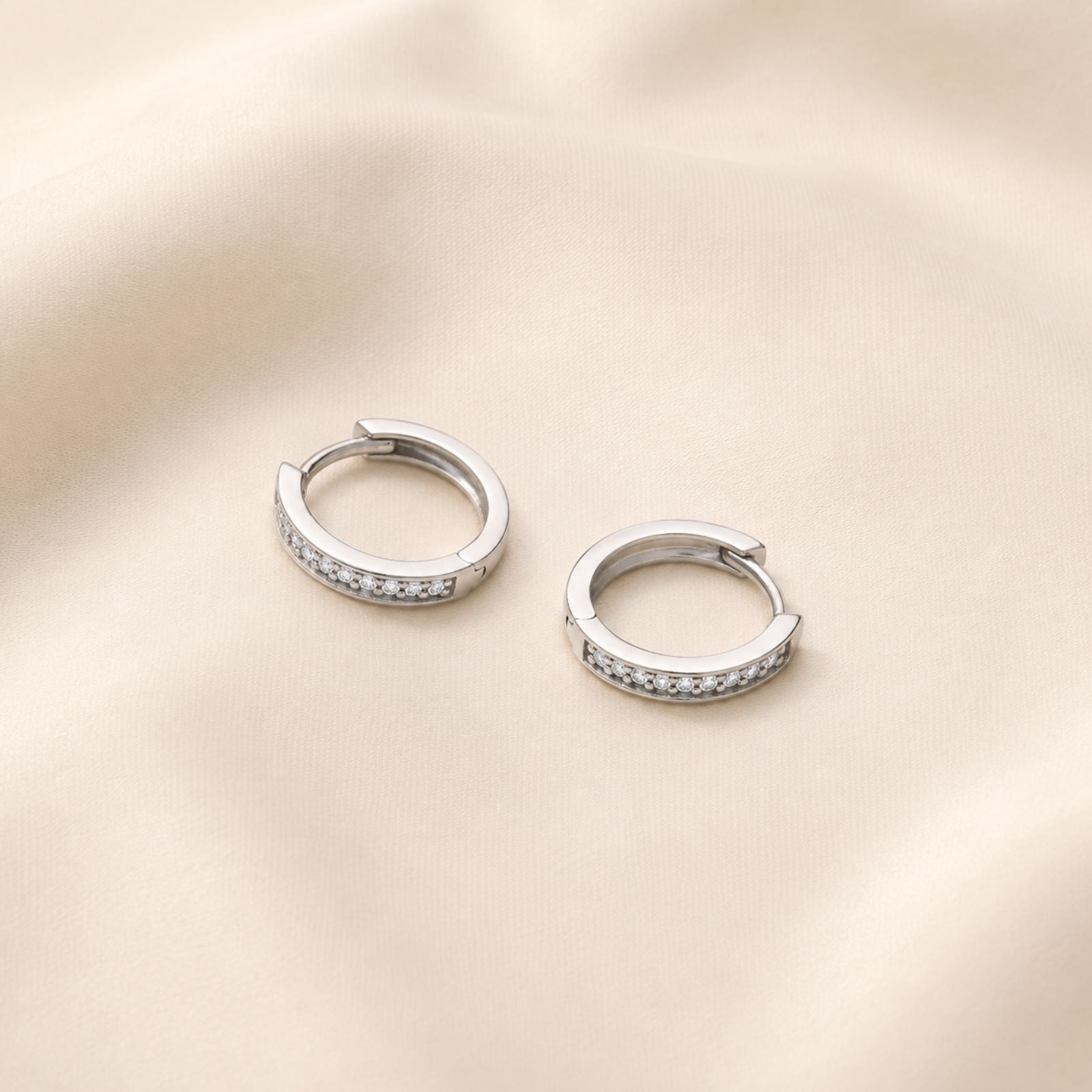
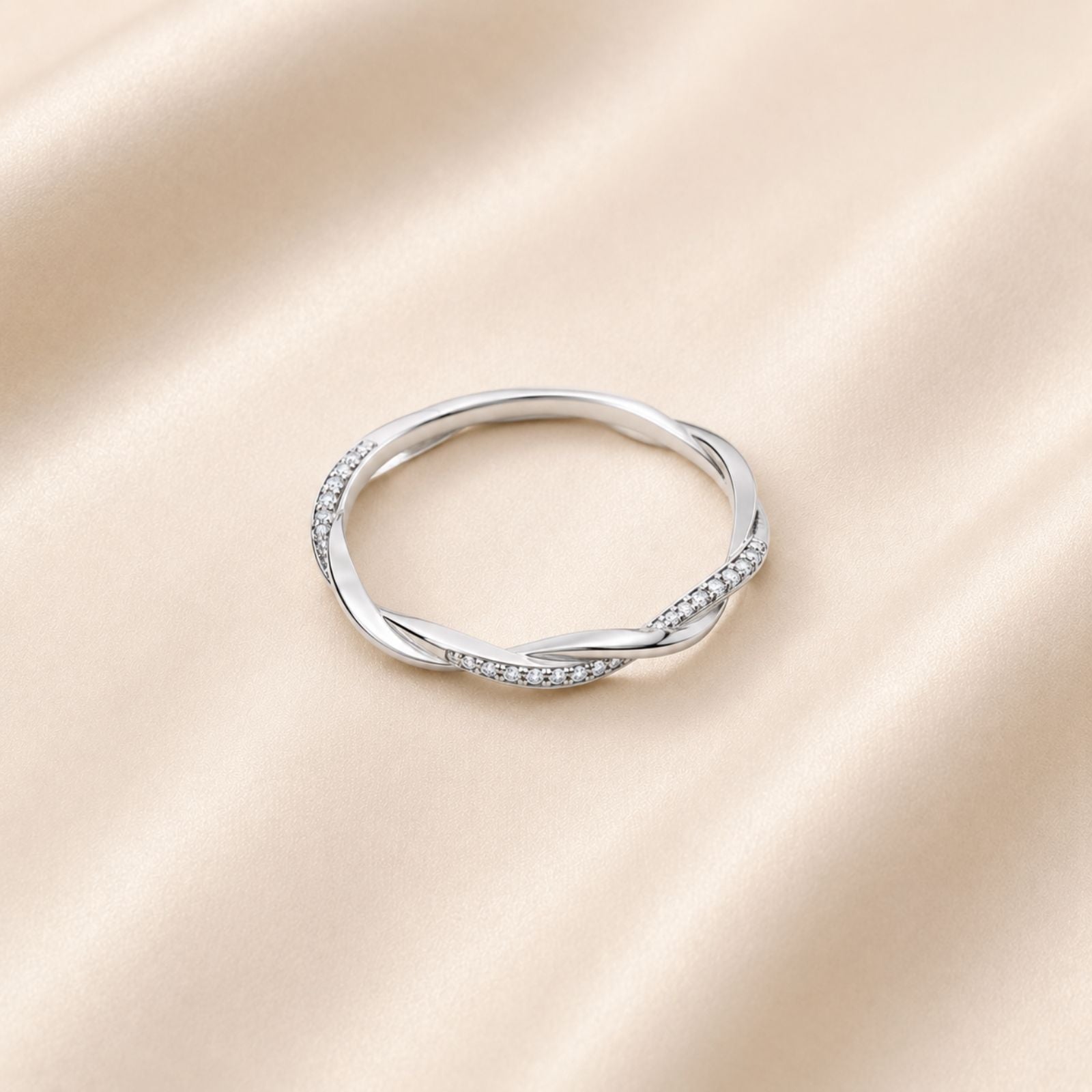
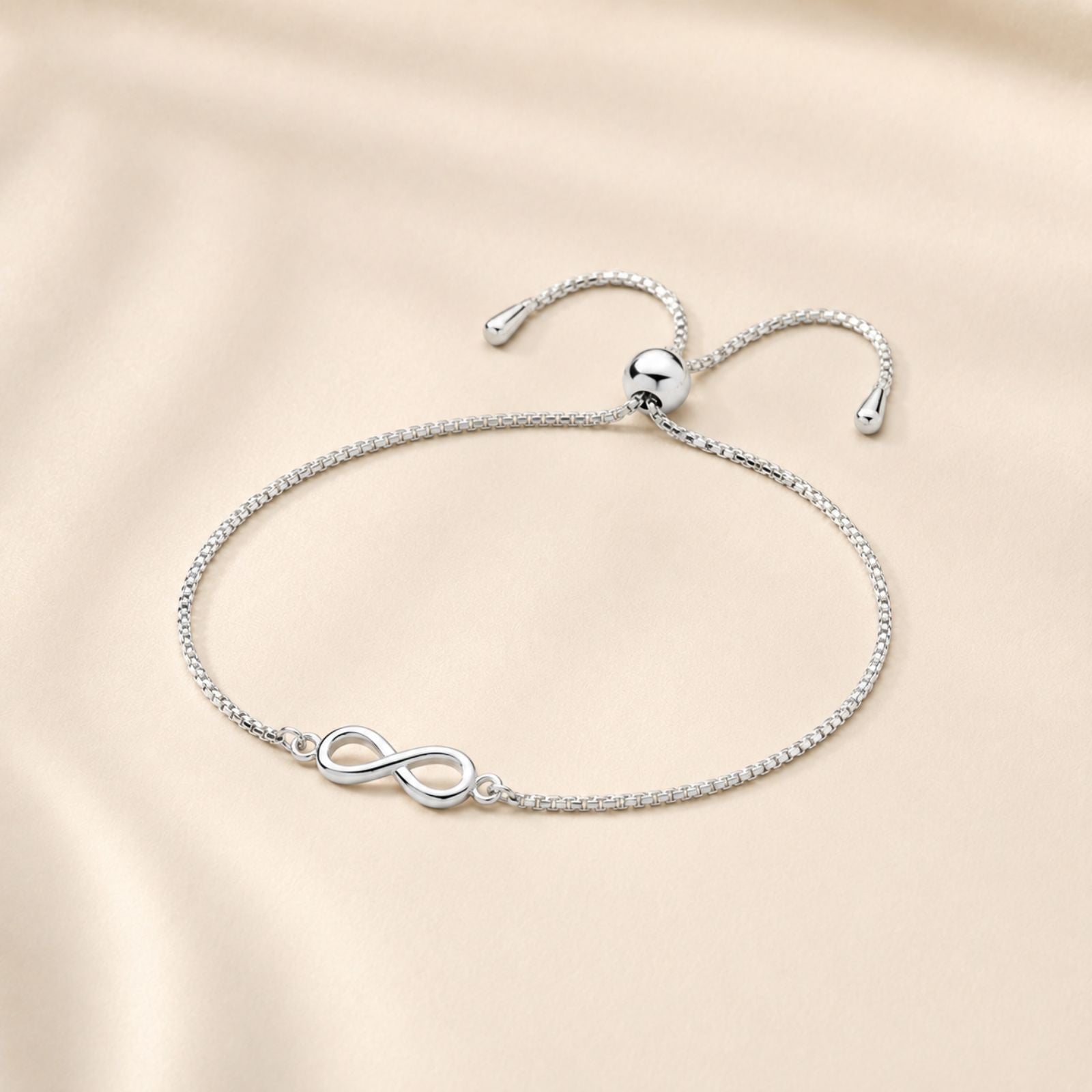



Everyday Wear
Sterling silver is made to be worn, but a little care helps protect its finish.
- Put jewellery on after perfume, hairspray and lotions.
- Remove before showering, swimming or exercising.
- Avoid chlorine, salt water and household chemicals.
- Take rings and bracelets off for jobs that may scratch or knock them.

Store Silver Properly
Good storage helps reduce tarnishing, scratching and tangled chains.
- Keep jewellery somewhere cool and dry.
- Store individual pieces separately where possible.
- Fasten chains before storing to reduce tangling.
- Avoid bathrooms and other damp or humid areas.

Cleaning Sterling Silver
Regular gentle cleaning helps remove residue and restore the natural shine of silver.
- Use lukewarm water with a small amount of mild soap.
- Clean gently with a soft cloth or very soft brush.
- Rinse carefully and dry completely before storing.
- Use a suitable silver polishing cloth when extra shine is needed.

Gemstones & Pearls
Stones and pearls can require gentler care than the silver surrounding them.
- Wipe stones gently after wearing to remove oils and residue.
- Keep perfume, hairspray and chemicals away from the jewellery.
- Do not soak pearl jewellery.
- Avoid abrasive cleaners and rough surfaces.

Gold & Rose Gold-Plated Silver
Gold and rose gold finishes need gentler care to help preserve their appearance.
- Avoid perfumes, cosmetics and household chemicals.
- Remove before swimming, showering or exercising.
- Do not use abrasive silver polish or chemical dips.
- Clean gently with a soft, dry cloth.

Sterling Silver & Tarnish
Tarnish is a natural surface reaction and does not mean your silver is poor quality.
- Air, moisture and chemicals can accelerate tarnishing.
- Keep jewellery clean and dry when it is not being worn.
- Store pieces separately in a cool, dry place.
- Use a suitable silver polishing cloth to restore shine.

A Quick Check Can Prevent Damage
Check Your Silver Jewellery Regularly
Occasionally take a closer look at jewellery you wear often.
- Check clasps and fastenings are working correctly.
- Look for stones that appear loose or move in their settings.
- Check chains for stretched, thinning or damaged links.
- Stop wearing a piece if something looks loose or damaged until it has been inspected.
- If you are unsure, contact us before continuing to wear the item.

We Stand Behind The Quality Of Every Piece
Warranty Cover
Silversmiths jewellery comes with a 6-month warranty covering manufacturing faults and defects.
Register eligible jewellery to extend the warranty by a further 6 months, giving up to 12 months' cover.
The warranty does not cover normal wear and tear, accidental damage, misuse or damage caused by improper care.
For full details, see our Quality Guarantee.

Look After It. Wear It Longer.
Jewellery Made to Be Kept
Looking after your jewellery helps preserve its appearance and can extend the life of pieces you wear regularly.
Good storage, gentle cleaning and dealing with small problems early can all help reduce unnecessary replacement.
The best care routine is usually the simplest one - wear it, look after it and store it properly.
Sterling Silver Jewellery Care FAQs
Why does sterling silver tarnish?
Tarnishing is a natural surface reaction caused by silver being exposed to substances in the air and environment. Moisture, cosmetics, chemicals and storage conditions can all affect how quickly it develops.
Can sterling silver get wet?
Occasional contact with clean water is unlikely to cause immediate damage, but it is best to remove sterling silver jewellery before showering, swimming or bathing. Chlorine, salt water, soaps and other chemicals can affect both silver and plated finishes.
How do I clean 925 sterling silver jewellery?
For everyday cleaning, use lukewarm water, mild soap and a soft cloth or very soft brush. Rinse carefully and dry completely. A suitable silver polishing cloth can be used to restore shine where needed.
Can I use toothpaste or baking soda to clean silver jewellery?
We do not recommend abrasive household cleaning methods such as toothpaste or baking soda. They can scratch polished surfaces and may damage plated finishes or delicate stones.
How should sterling silver jewellery be stored?
Keep jewellery somewhere cool and dry, ideally with pieces stored separately to minimise scratching and tangling. Avoid humid bathrooms and prolonged exposure to direct sunlight.
How often should I clean sterling silver?
There is no fixed schedule. Jewellery worn frequently may benefit from an occasional gentle wipe after wearing and a deeper clean when tarnish or residue becomes noticeable.
Does tarnish mean my jewellery is not real silver?
No. Tarnishing is a completely natural chemical process that only occurs in genuine sterling silver.
Tarnish occurs when these metals react with sulfur, moisture, or oxygen in the air. Far from being a sign of fake or poor-quality metal, tarnish is actually proof that your jewellery is authentic 925 sterling silver.
Fortunately, tarnish only affects the very surface of the metal and does not damage the silver underneath. It can be easily prevented or polished away.
How should I care for gold or rose gold-plated sterling silver?
Gold and rose gold-plated sterling silver should be treated more gently than unplated silver. Avoid perfumes, cosmetics, household chemicals and prolonged contact with water. Remove jewellery before swimming, showering or exercising, and clean it gently with a soft, dry cloth.
Plated finishes can gradually wear with use, so avoid abrasive polishing or silver dips that may remove or damage the plated surface.